For other languages, please use the translation option in your browser. |
|
|
 |
|
|
|
|
|
|
For all latest news, follow us on social media. |
|
|
|
|
|
|
ITC Market Analysis Tools survey |
We’re excited to invite you to help shape the future of ITC’s Market Analysis Tools and Integrated Solutions! It takes a few minutes, is completely anonymous and allows you to directly influence future improvements to tools like Trade Map, Market Access Map, Export Potential Map, Global Trade Helpdesk and more. The survey is available in five languages to ensure everyone can easily share their views. Your feedback is essential not only for enhancing the user experience, but also for helping us understand the real impact our tools have on businesses, policymakers and economic operators worldwide.
Your insights genuinely make a difference and guide our efforts to deliver even greater value. Thank you for supporting the continuous improvement of the tools you rely on! |
| Take the survey now |
|
|
|
|
|
|
|
|
|
|
Building Africa’s trade intelligence: ATO’s capacity-building journey |
|
|
Regional integration is Africa’s pathway to prosperity, and trade intelligence is the engine that drives it. Under the leadership of the African Union and with the financial support of the European Union, the African Trade Observatory (ATO) is turning this vision into reality—empowering businesses and policymakers with the tools and knowledge they need to make informed decisions under the AfCFTA. |
|
|
This year marked a milestone in ATO’s capacity-building efforts. Earlier in the year, a series of advanced trainings equipped Regional Economic Communities and the African Union ATO Unit with cutting-edge skills in market analysis, policy interpretation, and policy simulation. These sessions introduced innovative tools, such as the Policy Simulator, enabling participants to model the impact of trade reforms and explore scenarios that strengthen regional integration through AfCFTA implementation. Together, they laid the foundation for a network of experts ready to champion data-driven trade strategies.
In the final quarter, ATO shifted gears to broaden access and deepen engagement. |
|
|
The launch of its first e-learning course on market analysis opened new opportunities for entrepreneurs and trade professionals to master market analysis at their own pace. To bring this learning to life, interactive webinars engaged diverse audiences—from AU Enterprise African Network fellows to customs officials across Eastern and Southern Africa, thanks to a collaboration with the World Customs Organization (WCO) ESA region, reaching officials from 28 member countries.
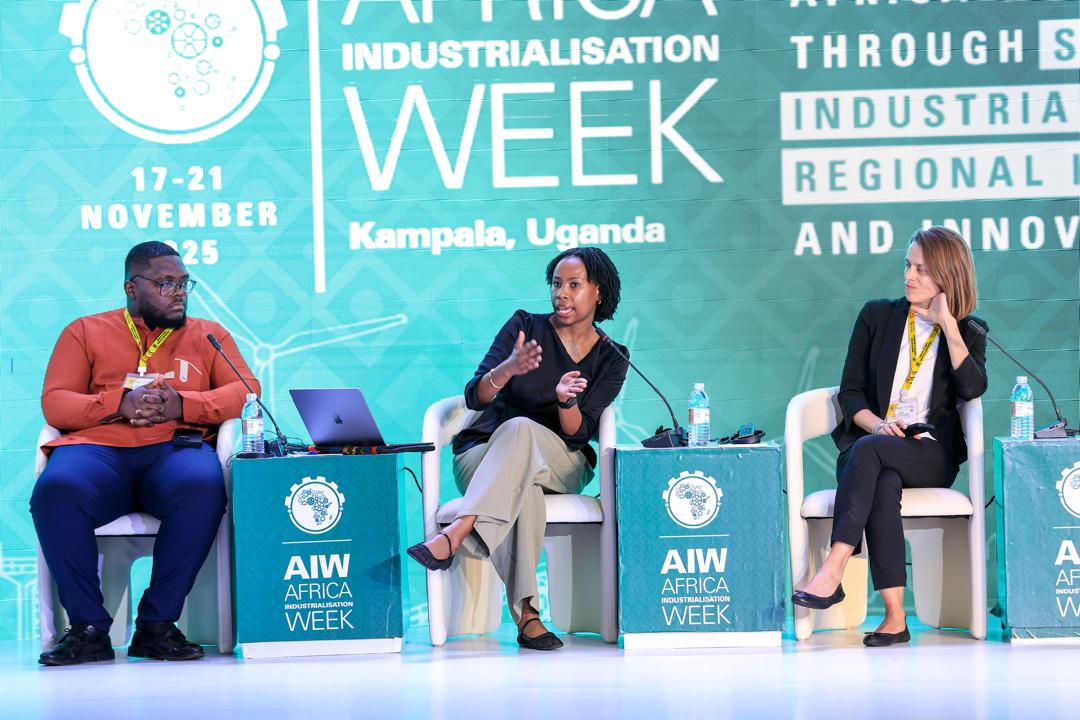
The momentum continued during African Industrialization Week, where ATO hosted a dynamic masterclass showcasing how businesses can leverage its Compare and Explore modules to identify promising markets and navigate access conditions. The message was clear: regional integration thrives on intelligence, and ATO is the gateway to informed decisions.
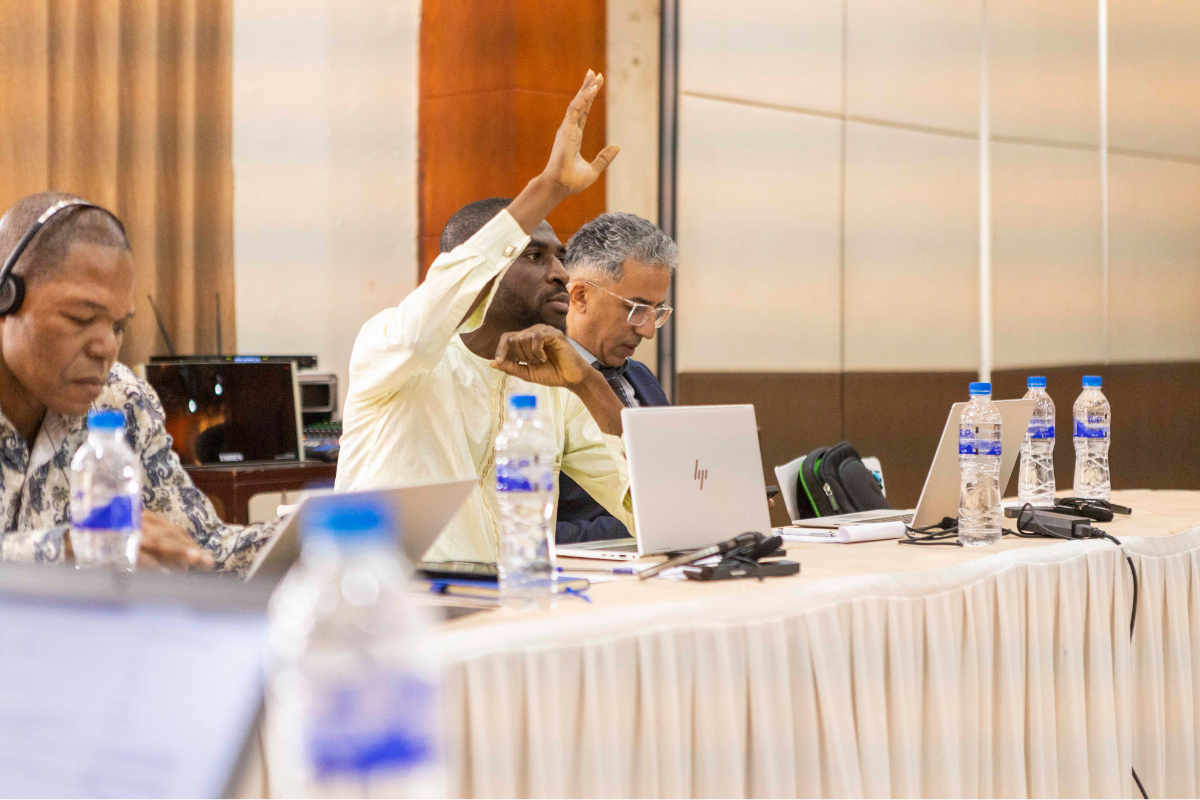
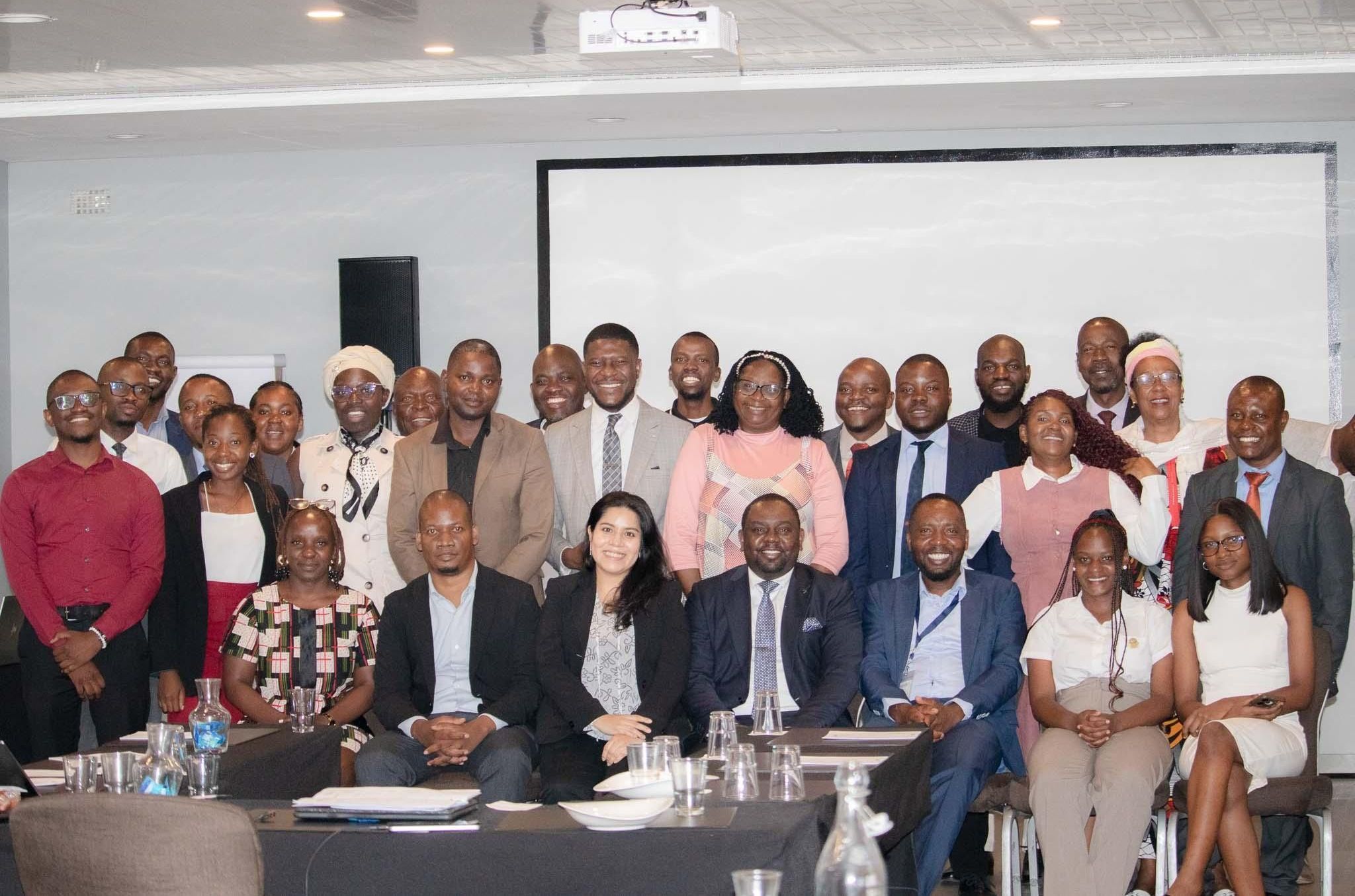
From continental to local, ATO capacity building went to Zambia for a first-ever tailored training for national private sector actors and policymakers, bringing trade intelligence closer to the ground. More than 50 participants, including representatives from 10 national institutions, benefitted from this hands-on training, marking the start of a new chapter - national-level trainings that will roll out across eight African countries in the coming years under the ATCMA project, made possible thanks to the financial contribution from the European Union. |
|
|
|
|
|
|
GLOBAL TRADE HELPDESK Expanding partnerships at CIIE and beyond |
|
|
|
|
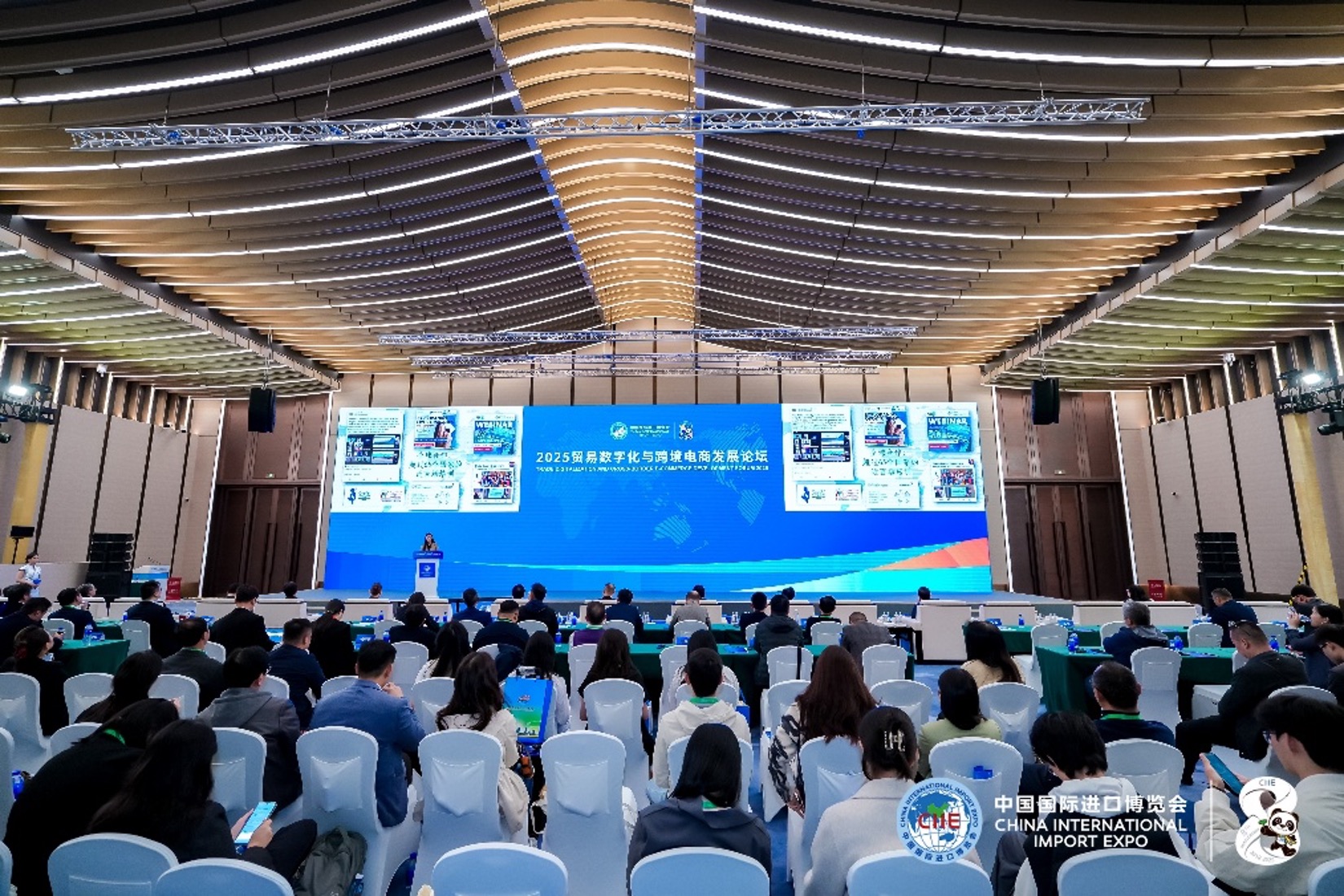
The ITC and China Electronic Chamber of Commerce signed a new agreement around promotion and data collection for the Global Trade Helpdesk in early November. Their GTH Shanghai-based Service Station continues to train universities and businesses in China, and to gather timely and relevant information from the Chinese market. The platform was also showcased to hundreds of entrepreneurs at the China International Import Expo event on November 6th.
The Ye Ecopreneurs 2025 Cohort of 225 startups and entrepreneurs benefited from a session dedicated to Global Trade Helpdesk and the Market Analysis Tools on November 7th. |
|
|
|
|
ANALYSIS FOR TRADE & VALUE CHAIN COMPETITIVENESS LLDC Trade Tracker launched at the LLDC3 conference in Turkmenistan |
|
|
|
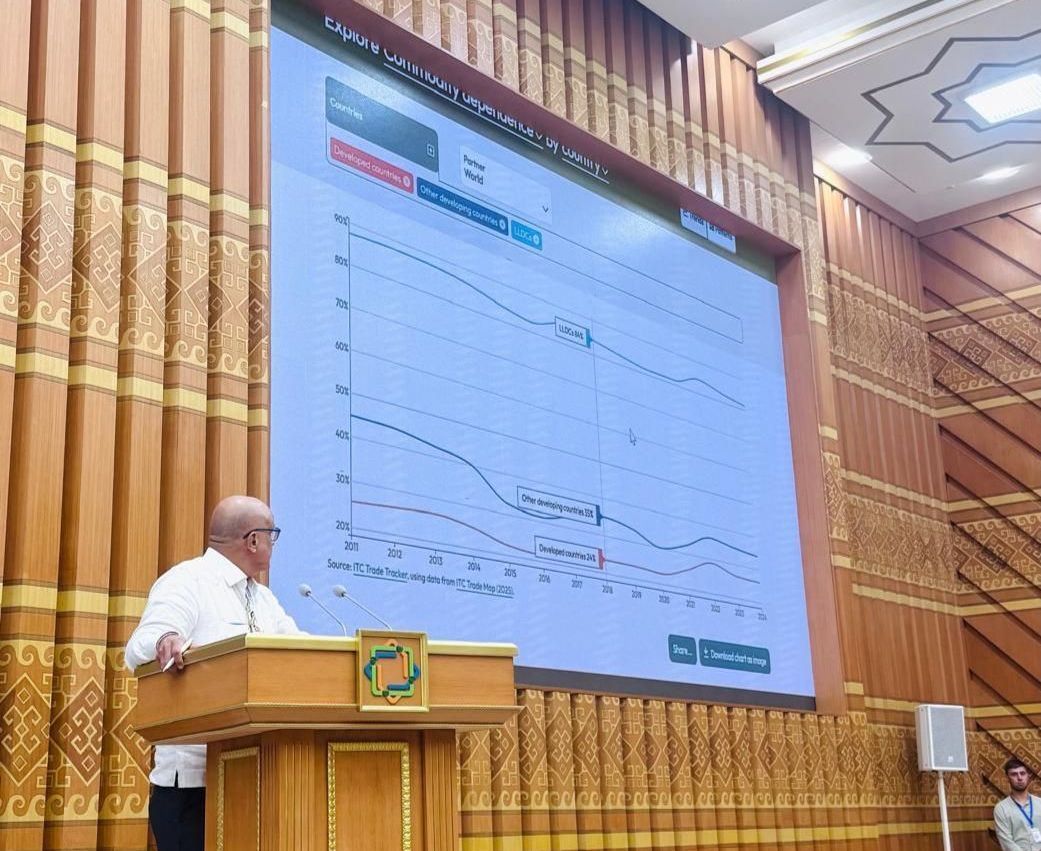
The LLDC Trade Tracker was launched during the LLDC3 conference, held from 5 to 8 August 2025 in Awaza, Turkmenistan. It is a free and user-friendly platform that allows users to explore a wide range of trade-related topics relevant to LLDCs through interactive indicators, from long-term and monthly trade trends to patterns of specialization, partner concentration, commodity dependence, and export potential. Users can analyse data for individual LLDCs or the group as a whole across different product categories and partner groupings, with all chart visualizations available for download and sharing. Updated annually and powered by TMI’s trade data, this new module complements the LDC Trade Tracker, launched at LDC5, and the SIDS Trade Tracker, introduced at SIDS4. Together, the LLDC, LDC, and SIDS modules of the Trade Tracker complete the trade data support provided by TMI to each group’s conference, which take place every ten years and define the priorities for the decade ahead. |
|
|
|
|
|
|
Export potential assessments |
|
|
|
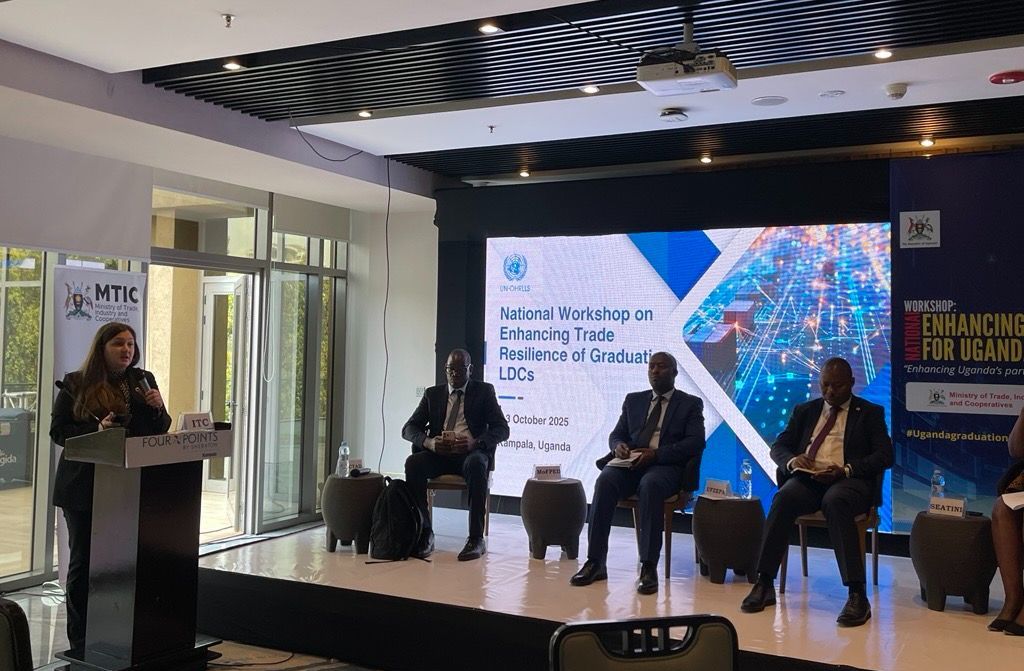
The Studies team recently participated in two conferences organized by UN-OHRLLS in Rwanda and Uganda on building trade resilience and preparing for a smooth and sustainable graduation from the LDC category. These workshops brought together government officials, private-sector actors, development partners, and international experts to discuss strategies for export diversification, value-chain upgrading, regional integration and the evolving implications of LDC graduation. In both Kigali and Kampala, the events served as important platforms to validate evidence-based approaches for strengthening trade structures, addressing vulnerabilities, and enhancing competitiveness through policy reform, investment, and partnerships. |
|
|
During the conferences, the Studies team presented two of the three papers developed under the OHRLLS-ITC project on trade diversification and resilience, showcasing the results of TMI’s joint diagnostic work with BTIF on high-potential value chains in Rwanda and Uganda. The papers, Upgrading Rwandan Exports and Upgrading Ugandan Exports, highlight concrete opportunities in sectors such as processed foods, animal feed, footwear, and beauty and personal-care products, and identify the structural and operational constraints that firms face along these value chains. These assessments demonstrate how TMI’s evidence-based diagnostic tools can support LDCs’ graduations by enabling governments to develop targeted policies and advance value-added export growth. |
|
|
|
|
|
|
|
MARKET ACCESS MAP Global evolution of new extraordinary measures in 2025 |
|
|
|
2025 was marked by increased regulatory complexity, drastically affecting market access, spearheaded by rounds of new tariff actions and various other interventions impacting global value chains. |
|
|
|
The revamped Market Access Map’s ‘Monitor Measures’ module closely tracked and analysed extraordinary trade policies related to geopolitical developments from major economies such as the United States (US), Canada, China, the European Union (EU) and others. These developments were investigated and mapped daily by our technical experts and were then promptly made available at the disaggregated product level (under ‘Trade Remedies’ results section), thanks to the statistical team. We ensured that MAT tools users remained informed of fast-changing tariff conditions and could make timely trade decisions.
We are proud to inform that the importance and value of this hard work was recognized externally as well as internally through ITC’s Executive Director’s Special Recognition award in November. |
|
|
|
|
|
Early in 2025, the US announced additional country- and sector-specific tariffs to address national emergencies. The ‘Liberation Day’ reciprocal tariffs took centre stage, complemented by additional country-specific tariffs in response to national-security concerns, such as linked to drug trafficking and illegal migration issues (China, Canada and Mexico), Russian oil-related trade (India), and broader foreign-policy considerations (Brazil). A 10 percent global reciprocal tariff took effect in April, followed in August by higher country-specific rates, and a series of negotiated bilateral arrangements that adjusted rates for individual partners[1]. Product coverage evolved over the year, with the scope expanding in September and select agricultural goods later being exempted. These agreements incorporated trade and investment commitments beyond tariffs.
Year 2025 was also marked by sector-specific tariff expansion, building on steel (25 percent) and aluminium (10 percent) tariffs tracked by Market Access Map since 2018.[2] The team continues to closely monitor ongoing tariff investigations into semiconductors, pharmaceuticals, critical minerals, polysilicon, unmanned aircraft systems, wind turbines, robotics and industrial machinery, and PPE and medical equipment.
Geopolitical tensions reshaped value chain policies globally. New measures included export controls affecting critical supply chains, including semiconductors, critical minerals, rare-earth-related technologies and advanced manufacturing inputs. Several economies implemented, prolonged or launched new investigations into steel, chemicals, solar components and EV-related materials.
Throughout 2025, more than 320 new measures were mapped and analysed in the ‘Monitor Measures’ module, ensuring timely clarity for users navigating this volatility. Looking ahead, the team will continue tracking tariff negotiations, outcomes of new tariff investigations, US–China dynamics, and the evolving sanctions in response to Ukraine's full-scale invasion. As geopolitical and industrial-policy dynamics continue to accelerate, our tools will continue to deliver comprehensive, reliable updates to help users interpret and navigate these complex regulatory shifts.
----------------------------------------------------
[1] Reciprocal-tariff agreements were announced with the United Kingdom (May), Indonesia, Japan, the EU and the Republic of Korea (July), Malaysia, Cambodia, Thailand and Viet Nam (October), and El Salvador, Argentina, Ecuador, Guatemala and Switzerland (November). [2] The so-called Section 232 tariffs now apply globally to steel/aluminium/copper and products containing them (50 percent), automobiles and parts (25 percent), trucks and buses (10–25 percent) and timber and lumber (10–25 percent). A prospect of pharmaceutical tariffs led to unprecedented pricing and investment deals with major pharmaceutical companies. |
|
|
| Visit Market Access Map - "Monitor Measures" |
|
|
ITC TOOLS UPDATES The West African Competitiveness Observatory |
|
|
|
The West African Competitiveness Observatory has been updated! The competitiveness module now includes all performance indicators refreshed to 2023 and the driver indicators expanded to include 55 indicators for 2023. Thanks to the conclusion of a Publishing/License Agreement with IATA, the Observatory now features an enhanced version of the existing "International airport connectivity" indicator, recalculated using data from the Air Connectivity Index to provide a more accurate and internationally aligned measure.
The methodological framework has also taken a major step forward. The enhanced min–max normalization is now recalculated each year, with the minimum and maximum values updated annually. This approach ensures that indicators reflect the most current data environment, while maintaining comparability across countries and regions. The list of advanced goods has likewise been upgraded, incorporating insights from our regional trainings and aligning fully with the OECD taxonomy of technologically advanced products based on R&D intensity.
And there is more: the value chain module has been updated for the first time to include 2023 data, giving users a comprehensive and up-to-date view of value chain performance across the region. |
|
|
| Discover the WACOMP observatory |
|
|
Export Potential Map projections extended to 2030 |
|
|
|
In October, Export Potential Map’s projection horizon was extended to 2030, following the incorporation of historical trade data for the period 2020-2024 (the model previously relied on trade data for the period 2019-2023). Revised income elasticities and IMF GDP growth projections were also reflected in the October update. |
|
|
| Visit Export Potential Map |
|
|
CAPACITY BUILDING
Certified trainers: Creating impact locally |
|
|
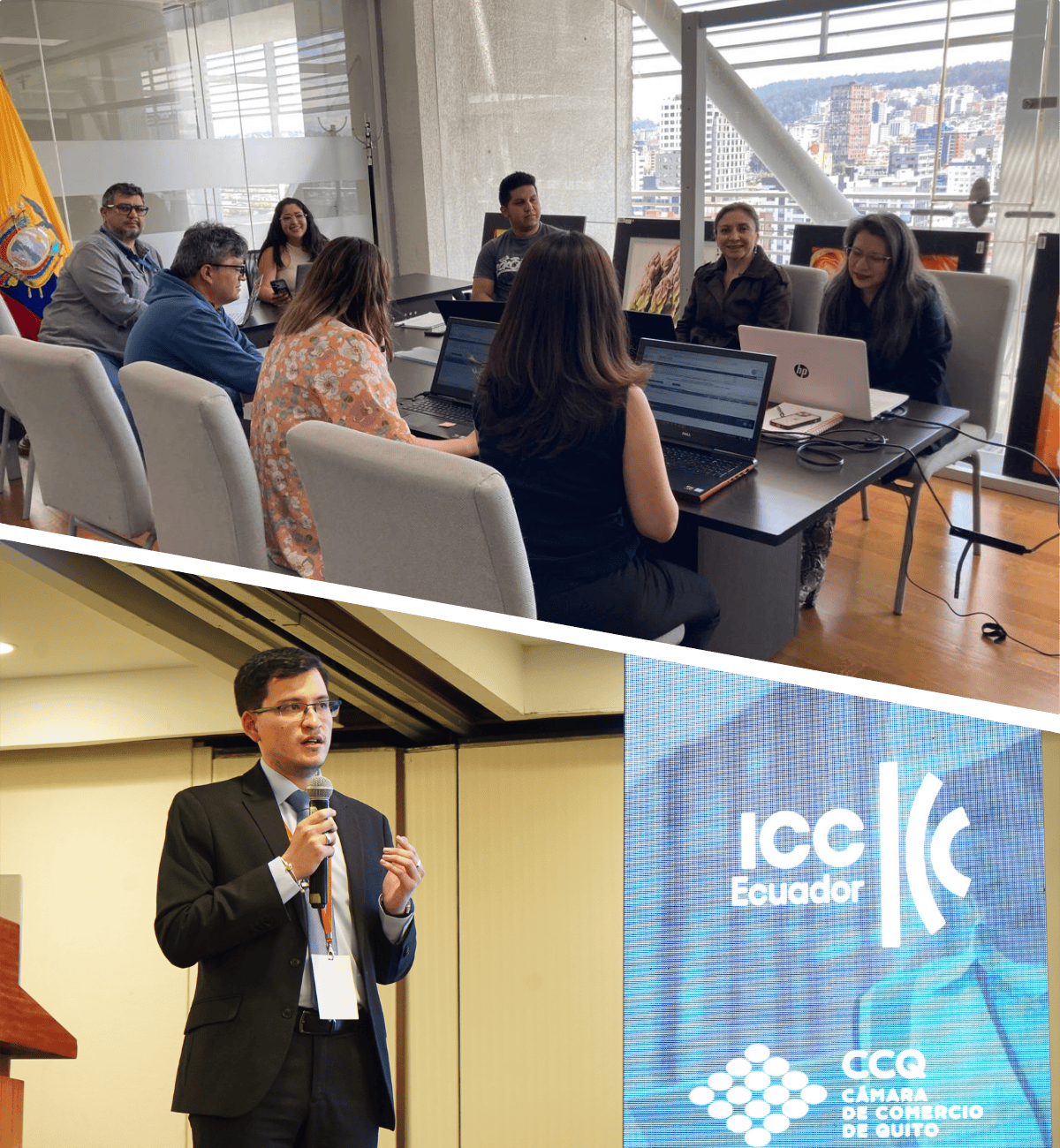
ECUADOR September, 2025 – Following the recent Training of Trainers held under the NEXT Ecuador Project, certified trainers across key institutions have already begun replicating and expanding the use of ITC’s Trade Map and Market Access Map, strengthening national capacities in market intelligence.
At the Ministry of Production, Ms. Marcia Padilla conducted a formal institutional replication workshop for ministry officials, covering the core elements of ITC’s tools, including data sources, trade flow analysis, tariff identification, market trends, and preferential market access conditions. The session reinforced the Ministry’s ability to generate evidence-based insights and provide more effective support to internal and external clients.
At the Chamber of Commerce of Guayaquil (CCG), Ms. Gabriela Chiquito trained colleagues and a group of entrepreneurs preparing for the Fruit Attraction trade fair, helping them interpret market data and identify strategic opportunities abroad. |
|
|
|
|
At the Quito Chamber of Commerce (CCQ), Mr. Ivan Jaramillo delivered internal training to staff members who will use ITC’s tools as part of their regular advisory services to businesses.
Meanwhile, at the Universidad de las Américas (UDLA), Mr. Pablo Moncayo has integrated Trade Map and Market Access Map into the Agribusiness curriculum, ensuring that students in the Agroindustrial and Food Engineering programme develop practical skills in global market analysis.
These early initiatives highlight the rapid and concrete impact of the NEXT Ecuador Training of Trainers. Institutions, entrepreneurs, and students are already benefiting from enhanced analytical capacities that strengthen Ecuador’s export ecosystem.
The NEXT Ecuador Project is funded by the European Union and implemented by the International Trade Centre (ITC). |
|
|
|
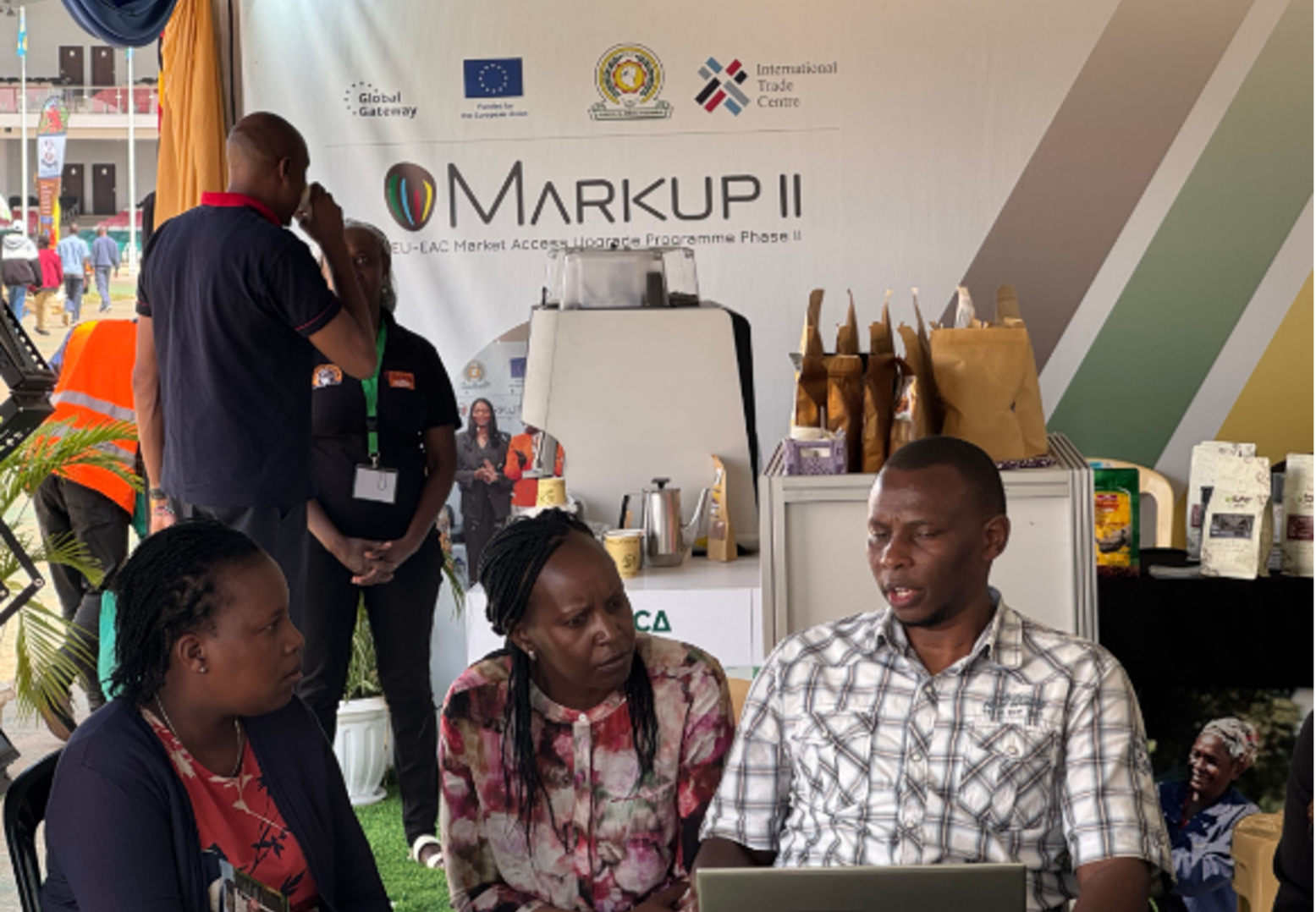
KENYA November 7-16, 2025 – 9 Kenyan Certified Trainers volunteered at the 25th EAC MSMEs Trade Fair held in Nairobi. Trainers contributed to ITC MARKUP II Pavilion and offered hands-on demonstrations of tools such as Trade Map, Market Access Map, and ePing. The fair attracted policymakers and over 3,000 MSMEs from all EAC Partner States. Beyond supporting visitors, volunteers had the opportunity to engage with entrepreneurs, policymakers, and regional experts while representing ITC’s growing Certified Trainer community.
|
December 3, 2025 – Certified Trainer Ms. Ann Ichungwa led an “Export Readiness Masterclass” as part of the Women in Creative Enterprise (WICE) programme in Kenya.
|
|
|
December 3, 2025 – Certified Trainer Ms. Ann Ichungwa led an “Export Readiness Masterclass” as part of the Women in Creative Enterprise (WICE) programme in Kenya.
|
The workshop brought together entrepreneurs from diverse creative industries. It equipped young creatives with practical skills to use ITC’s flagship tools, Trade Map and Market Access, to explore regional and international export opportunities. The session also covered key export-readiness elements such as meeting market requirements and understanding the competitive landscape. Both activities were results of the EU–EAC Market Access Upgrade Programme (MARKUP II), funded by the European Union (EU). |
|
|
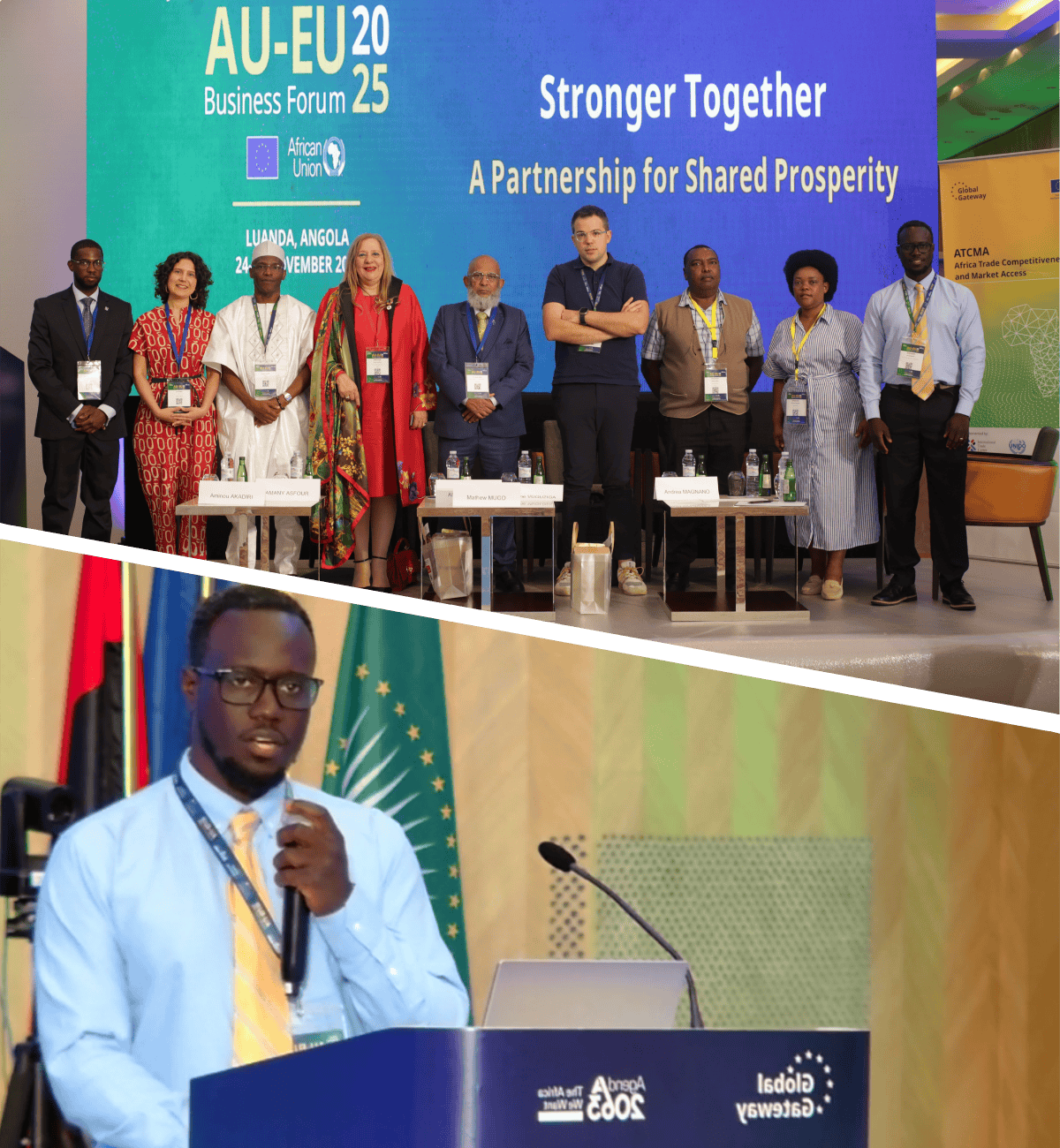
ANGOLA November 25, 2025 – Certified Trainer Mr. Alfred Wasikye, CEO of Uganda-based Chanzo Coffee, delivered a mini-masterclass on the African Trade Observatory (ATO) and ITC’s Market Analysis Tools during the EU–Africa Business Forum (EABF) in Luanda, Angola. The session explored a practical case study of a Ugandan coffee exporter identifying new opportunities within Africa under the AfCFTA, as well as prospects in a premium European market through preferential market access. Using real-life examples, Alfred demonstrated how trade intelligence can help businesses uncover demand, evaluate market conditions, and make informed export decisions. “The AU–EU Business Forum clearly demonstrated the vast potential of intra-African and Africa–EU trade. The strong interest in the African Trade Observatory and ITC Market Analysis Tools showed a shared appetite for trade intelligence to support better decision-making and drive sustainable trade and investment,” said Alfred Wasikye. |
|
|
|
|
The mini-masterclass drew strong interest from forum participants, many of whom engaged with Alfred well beyond the allocated time to discuss their products, challenges, and market ambitions. This activity was a result of the EU–EAC Market Access Upgrade Programme (MARKUP II) and African Trade Observatory (ATO), funded by the European Union (EU). |
|
|
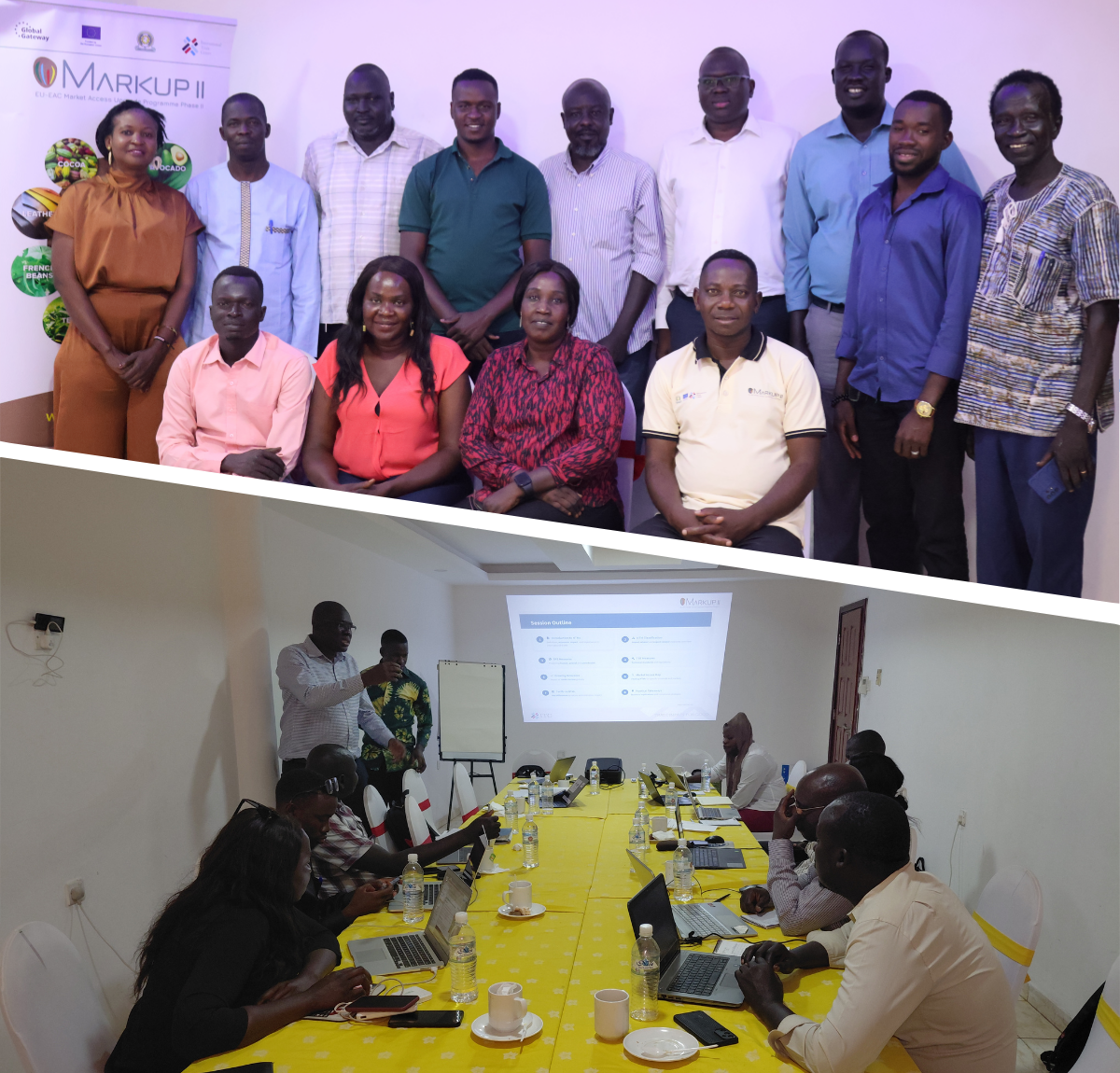
SOUTH SUDAN December 1-5, 2025 - Two Ugandan Certified Trainers, Dr. Aaron Ecel and Mr. Humphrey Ngobi, facilitated a Training of Trainers programme on market access and related online tools. This marked the first time a ToT was delivered entirely by certified trainers, representing an important milestone in the programme’s evolution. The workshop convened 11 participants from South Sudan’s key institutions, including government ministries, the National Bureau of Standards, the entrepreneurs’ association, the chamber of commerce, and the university, among others. This was an activity under the EU-EAC Market Access Upgrade Programme (MARKUP II) funded by the European Union (EU). |
|
|
|
|
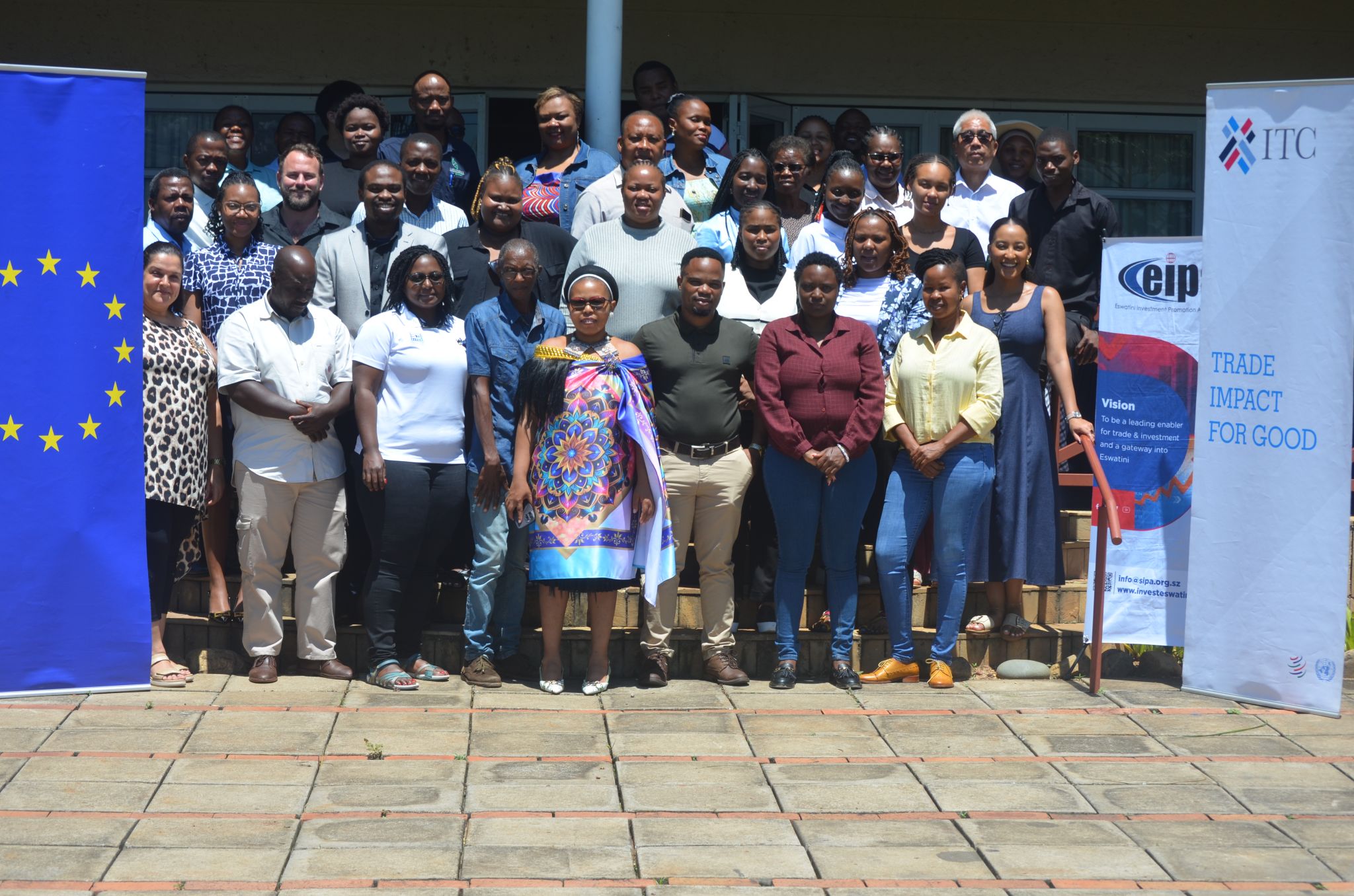
ESWATINI December 8-9, 2025 – three Certified Trainers, Ms. Thandeka Dlamini, Ms. Luyandza Dlamini and Mr. Siphesihle Nkhabindze, from Eswatini Investment Promotion Authority (EIPA) organized and conducted How to Use ITC Trade Market Intelligence Tools to Identify Export Market Opportunities workshop for 50 participants, representing 30 companies of various sizes. The workshop focused on two flagship tools: Trade Map and Market Access Map and provided an overview of the latest U.S. trade measures and updates related to AGOA. This was a result of the Eswatini: Promoting Growth through Competitive Alliances project funded by the European Union (EU) |
|
|
|
|
SME Trade Academy Online self-paced learning |
|
|
Trade professionals worldwide have the opportunity to enhance their skills in analysing international markets following the self-paced online course "How to Analyse Trade Flows" and "How to Access International Markets" on the SME Trade Academy platform.
These courses provide comprehensive introductions to ITC’s flagship market analysis tools Trade Map and Market Access Map. The tools simplify complex trade data and foster data-driven decision-making, helping enterprises navigate international markets effectively.
463 participants, including 208 women, joined the November edition of the course on market access, and 316 participants joined the one on trade flows, with 147 women. The legacy "How to Analyse Trade Flows" course has been retired as we prepare to launch the new Trade Map in early 2026. You can still register for the "How to Access International Markets" course in February 2026. More updates on the new Trade Map course are coming soon.
Join us to elevate your learning experience in international trade and sign up below to the upcoming courses: 16 February 2026 - How to access international markets |
|
|
|
|
|
|
DONORS
Funders to the ITC Trade Map, Market Access Map, Export Potential Map and Trade Briefs: |
|
|
|
|
|
|
|
|
© 2025 All Rights Reserved |
|
|
|
|