For other languages, please use the translation option in your browser. |
 |
|
January – March 2026 ITC Trade and Market Intelligence NEWSLETTER DRIVING TRADE WITH DATA-POWERED INTELLIGENCE |
|
For all latest news, follow us on social media. |
|
|
|
|
|
|
|
|
|
 |
| Trade Map |
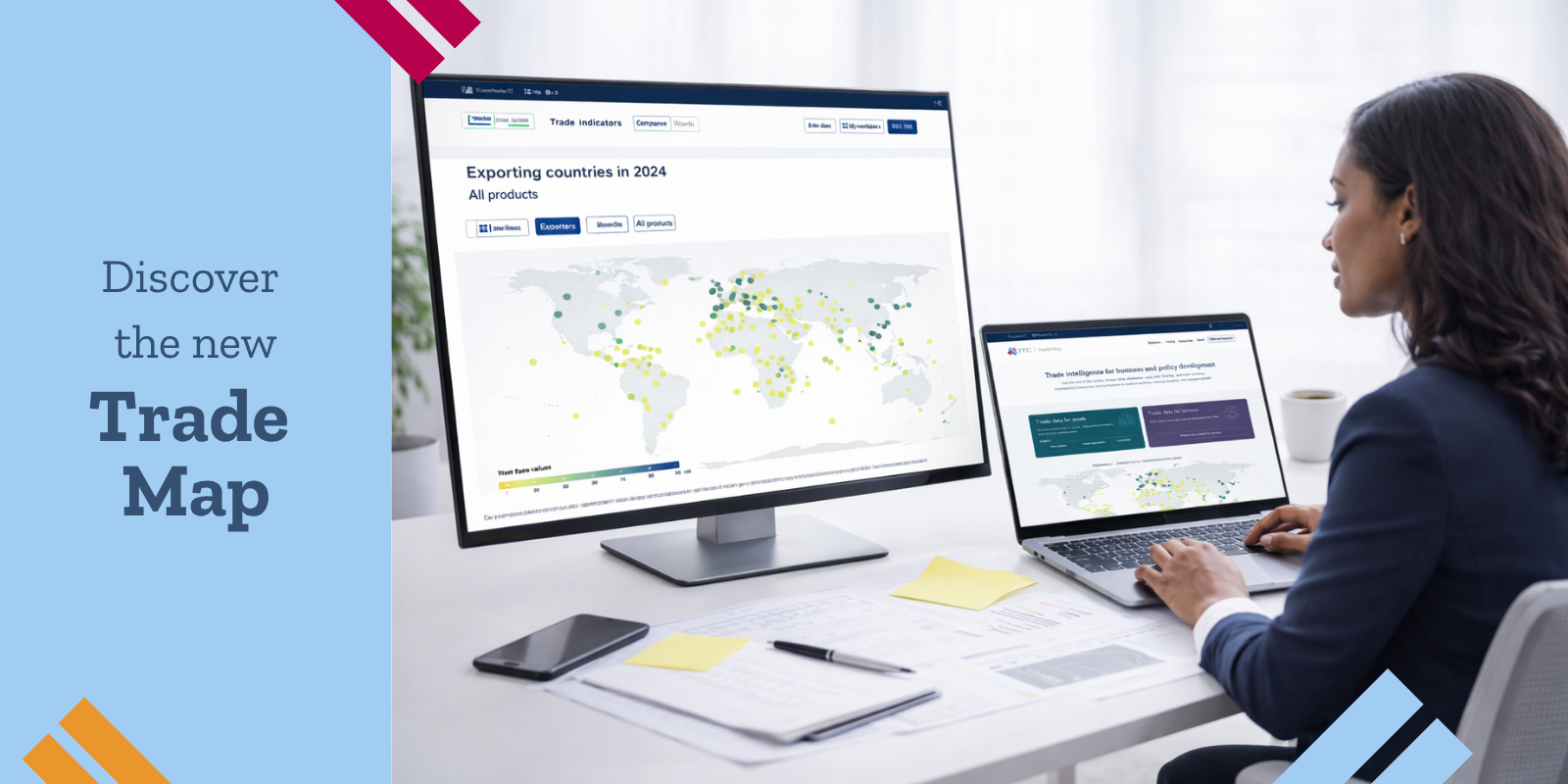
The new Trade Map beta is now live |
|
|
|
At the end of March, ITC released the beta version of the new Trade Map — its first major revamp in nearly 20 years. For over 25 years, Trade Map has been one of the world’s most trusted and comprehensive trade data platforms, with over 728,000 visits worldwide in 2025 alone. The new Trade Map builds on this foundation, introducing a completely new design and a more intuitive experience to better meet evolving user needs. A cleaner layout and smarter search make it easier and faster to find relevant information and move seamlessly across datasets. Redesigned tables and improved navigation support faster analysis, while enhanced visualizations — including a new timelapse feature — make it easier to understand market trends at a glance. Access to company data is now easier, helping users connect trade statistics to real market opportunities, while the introduction of bilateral services trade flows for selected economies expands the analytical scope beyond goods. A new resource hub supports users in interpreting the data, bringing together FAQs, a glossary, tutorials and improved data availability information in one place. Users can also save frequent queries and return to them at any time, making recurring analysis more efficient. All features in the new Trade Map are available free of charge to all users throughout the beta period, as the platform continues to be refined based on user feedback. The beta will run for approximately three months, with the official release planned for the end of June. We will also host a webinar on Thursday, 30 April at 15:00 (CEST | GMT+2) to present the new Trade Map in more detail. |
|
|
| Analysis for Trade & Value Chain Competitiveness |
From Jordan to SACU: Export Potential Map rollouts and new studies |
|
|
|
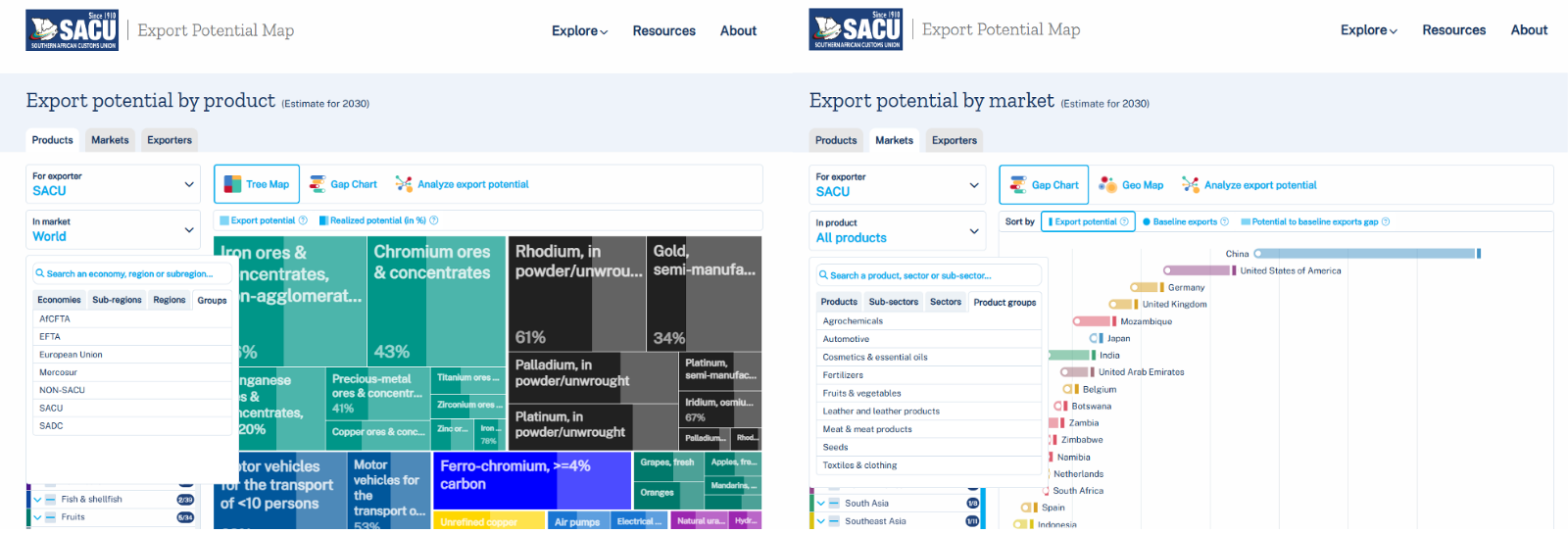
Export Potential Map SACU – Remote training on MAT toolsAs part of the customization of the Export Potential Map (EPM) for the South African Customs Union (SACU), a remote training programme was delivered to 37 participants over the course of three consecutive weeks in February and March 2026, with each week dedicated to one of ITC’s core Market Analysis Tools: Trade Map, Market Access Map, and Export Potential Map. Participants received weekly introductory sessions featuring live demonstrations, guided exercises, and interactive discussions to progressively build their analytical skills. After each session, participants completed practical assignments reviewed by the trainers, ensuring they could apply the concepts before moving to the next module. Certificates of completion will be issued to participants who attended all sessions, submitted the practical exercises, and completed the final evaluation survey. |
 |
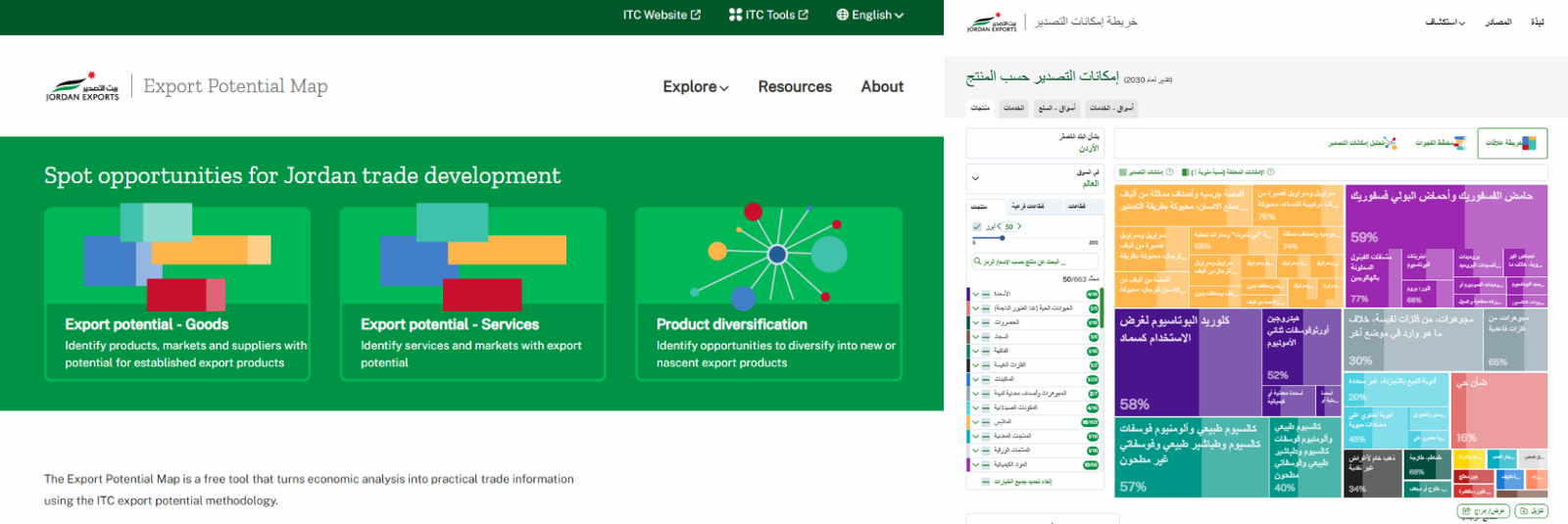
Export Potential Map Jordan – Official launch and capacity-buildingThe customised Export Potential Map Jordan was officially launched on 25 March in a hybrid setting. The event was followed by a day-and-a-half capacity-building workshop with national institutions, designed to strengthen their ability to support SMEs in assessing market potential, identifying opportunities, analysing competitors, and making informed decisions for international market entry. Participants were also introduced to the key customised features of EPM Jordan, including tailored market groups reflecting Jordan’s free trade agreements, the integration of export potential in services, and the platform’s full Arabic translation. |
 |
Studies Team in-house publicationsAs part of the ATCMA programme, the Studies Team has compiled four reports on value chain selection for the COMESA, ECCAS, ECOWAS, and SADC regions. Our data-driven value chain diagnostic methodology identifies promising value chains through a two-step approach: first, by assessing feasibility based on local input availability and production capabilities; and second, by evaluating desirability in light of regional priorities, demand projections, and other relevant variables. The featured value chains span agro-processing, critical minerals, horticulture, pharmaceuticals, textiles and apparel, and wood products. Similarly, under the SCOPE Trade programme, the Studies Team conducted a value chain diagnostic for the ASEAN region. This exercise applied the same methodology, complemented by dedicated indicators to capture environmental criteria in line with project priorities. In addition, and also as part of the SCOPE Trade programme, the team produced an analysis of the potential impact of implementing low-value shipment programmes in ASEAN. The Studies Team has also contributed to the Afghanistan FAST project by conducting an export potential analysis, with a particular focus on opportunities to export horticultural products to Central Asian markets. All reports are currently undergoing validation by partners, donors, and other stakeholders. Interested in discussing one of these publications? Feel free to reach out to us! |
| Visit Export Potential Map |
| Market Access |
ITC strengthens AI expertise through the Geneva AI Initiative |
|
|
|
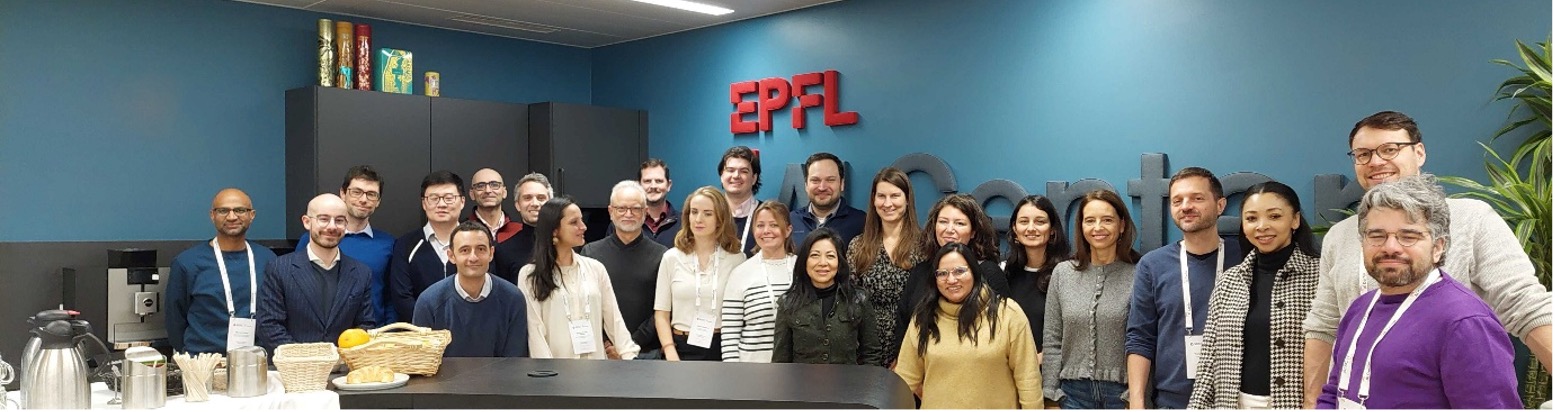 |
The International Trade Centre (ITC) continues to advance its digital transformation agenda through active participation in the Geneva AI Initiative, led by the EPFL AI Center in collaboration with the Swiss Data Science Center (SDSC). Earlier in 2026, ITC joined this programme, which brings together organizations across the humanitarian and development ecosystem to build practical, responsible AI capabilities. The programme convened a diverse cohort of 24 participants from international organizations, NGOs, foundations and UN entities — reflecting strong demand for applied AI solutions in development contexts. Throughout the programme, ITC staff engaged in hands-on sessions and cross-sector exchanges, deepening their understanding of AI applications, governance considerations, and implementation strategies tailored to real-world challenges. Participation in the initiative directly strengthens ITC’s capacity to integrate cutting-edge technologies into its operations. ITC has already been leveraging artificial intelligence to enhance its suite of trade and market intelligence tools, making complex trade and market-access regulations more accessible to businesses and policymakers worldwide. A key example is the upcoming HS Product Code Search Engine — an AI-powered solution designed to simplify the identification and classification of products under Harmonised System (HS) and National Tariff Line (NTL) codes. By combining AI capabilities with ITC’s domain expertise and proprietary data, the tool aims to reduce errors in product classification and streamline access to regulatory information, addressing a long-standing challenge in international trade. Through initiatives like the Geneva AI Initiative, ITC is not only building internal expertise but also ensuring that the latest technological innovations are effectively translated into practical tools that support sustainable trade impacts for all. |
| Read more on the project |
| African Trade Observatory |
A strong start to 2026: ATO deepens engagement with customs and data partners |
|
|
|
|
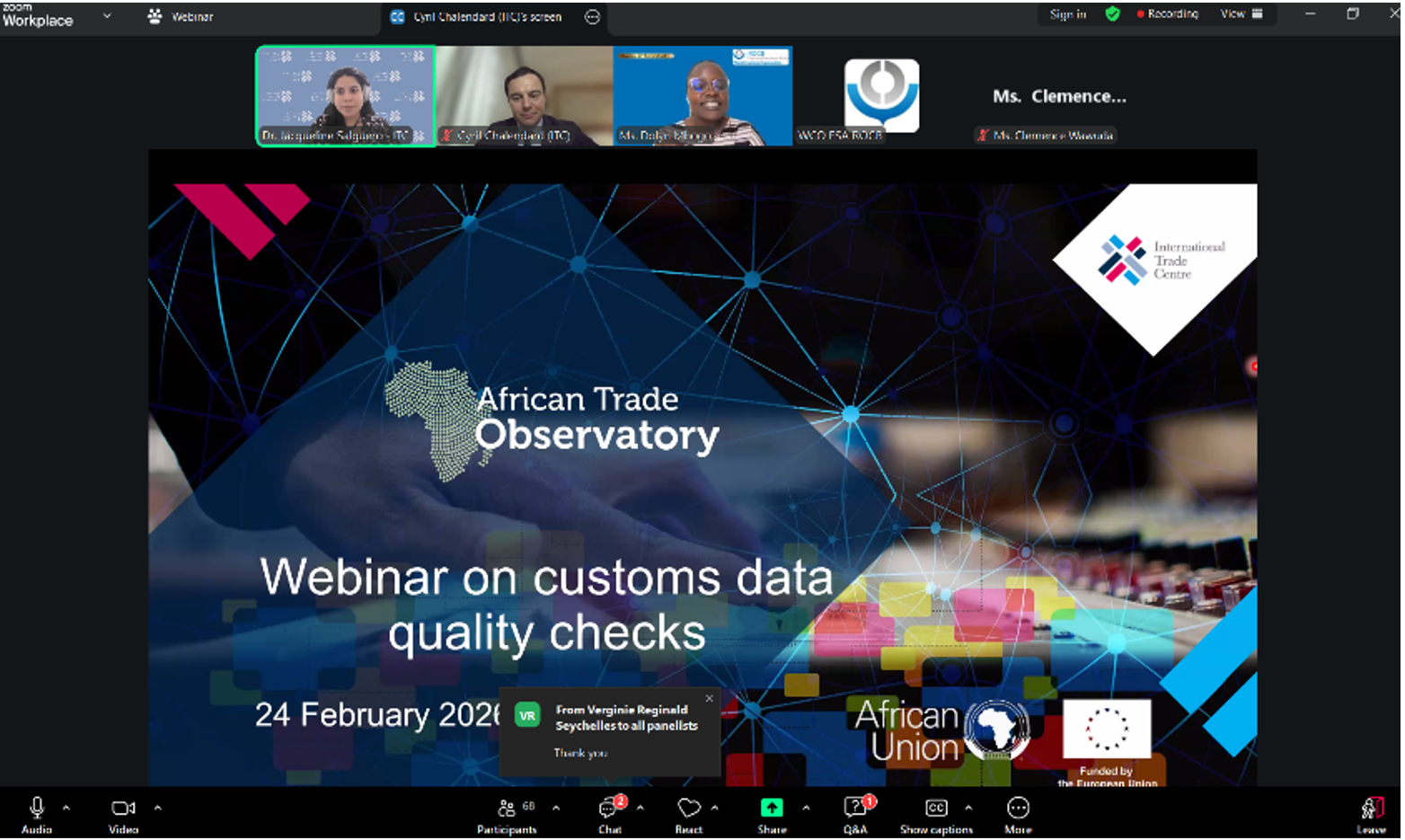
During the first quarter of 2026, the African Trade Observatory (ATO) continued strengthening collaboration with regional partners and advancing the delivery of data-driven trade intelligence across the continent. In partnership with the World Customs Organization (WCO) in East and Southern Africa (ESA) Region, the ATO team delivered two regional webinars. The first session, held on 29 January, targeted the private sector and showcased how the ATO platform can support companies in identifying market opportunities under the AfCFTA.
|
A second webinar on 24 February focused on the ATO data quality reports, bringing together more than 60 customs officials from 12 WCO ESA member states to discuss data quality standards and requirements for continental reporting. Progress was also made on data partnerships and country implementation. ITC and the Government of Mauritius, through the Mauritius Revenue Authority, successfully signed a data-sharing agreement — a key step that will enable ATO data-related work to move forward in the coming months. In parallel, granular customs datasets continued to be received from several ATO participating countries, including Nigeria and Namibia, with whom dedicated data-quality review meetings were held. Advancements were also achieved in the ATO’s pilot initiatives. In Nigeria, the ATO team completed the development of the Investment Attractiveness Dashboard in close collaboration with the Nigerian Investment Promotion Commission (NIPC) and expects to launch it on NIPC’s website by April 2026. In the area of trade in services, a technical workshop was delivered jointly with the Central Bank of Nigeria (CBN) and the National Bureau of Statistics (NBS), focusing on improving data availability for the telecommunications, computer, and information services sector identified as a national priority. The workshop highlighted key data sources, noting that enterprise surveys are the most effective for capturing detailed partner-country information, and for automating data processing. |
| Visit the ATO home page |
| Global Trade Helpdesk |
Global Cooperation Advancement Award and new freight-forwarder details integrated |
|
|
|
|
In January, Anna Jankowska-Eriksson accepted the Global Cooperation Advancement Award from the Organization for Trade Development and Standards Cooperation (ODCCN), on behalf of the ITC Global Trade Helpdesk team. The award recognised collaboration and partnerships to foster sustainable and inclusive trade, and in particular the importance of facilitating access to timely and reliable trade intelligence for businesses of all sizes. On 26 January, the GTH and WTO Trade4MSMEs platform team delivered a joint training session with the regional Procomex Alliance, reaching chambers and BSOs from across Latin America.
|
In February, the GTH team also participated in the Golden UCode Ecosystem Conference in Xiamen, organised by the China Electronics Chamber of Commerce and the China Academy of Information and Communications Technology (CAICT) Southeast Innovation Centre. The team also presented a session on Market Analysis using GTH in a dedicated UNESCWA session for Arabic-speaking SMEs across the Middle East. Furthermore, GTH now integrates thousands of freight forwarders by target market from FIATA (International Federation of Freight Forwarders), in addition to updates of trade indicators and export potential estimates. |
| Visit Global Trade Helpdesk |
| Capacity Building |
Certified trainers: Creating impact locally |
|
|
|
International Women’s Day spotlight: meet Abigail Amestoso-Millanes |
|
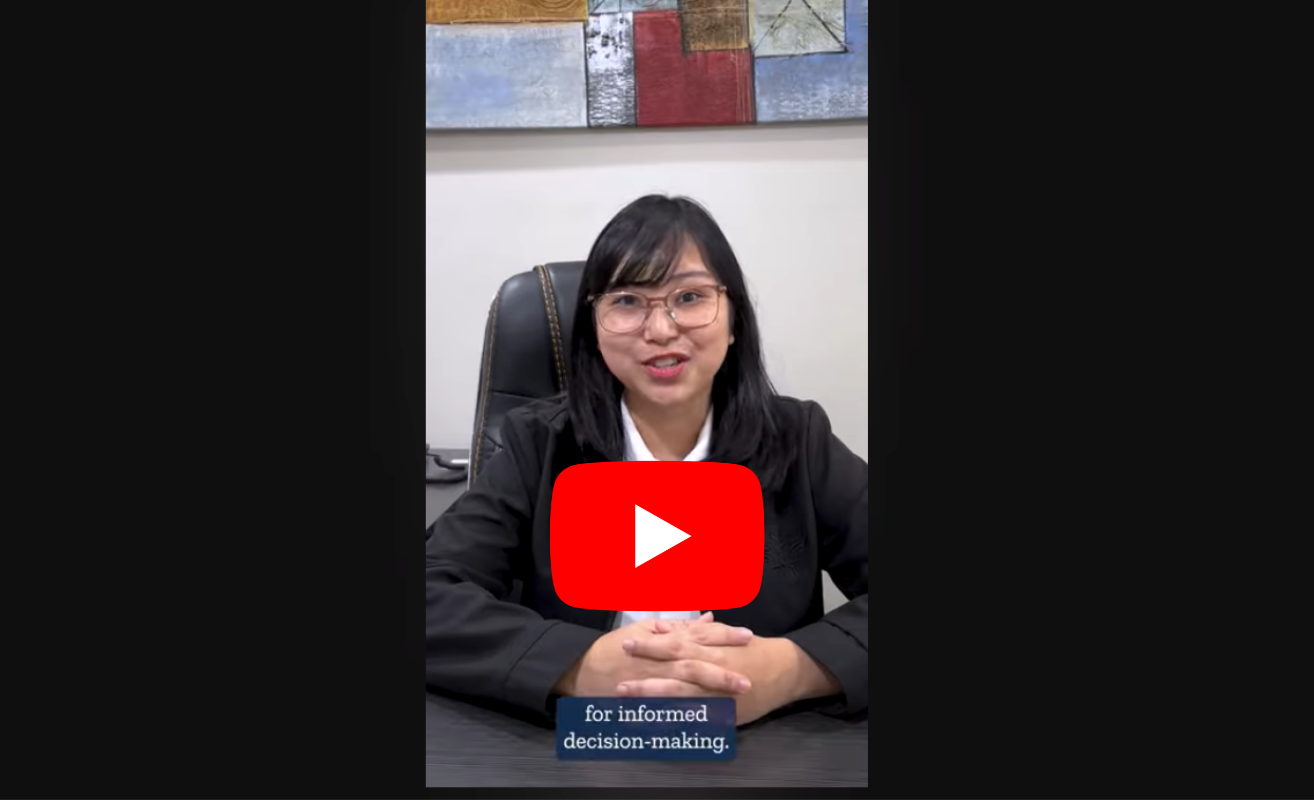
On the occasion of International Women’s Day, we celebrated women who are transforming data into better trade decisions. Meet Abigail Amestoso-Millanes, an ITC Certified Trainer from the Philippines’ Department of Agriculture, who exemplifies this impact through her work with ITC’s Market Analysis Tools. She supports the preparation of country briefings for senior officials using reliable data on exports, imports, and market trends, while strengthening the capacity of colleagues across agencies. Through her training and mentorship, data collection and analysis have become more structured, efficient, and accessible — empowering teams to apply trade intelligence with greater confidence in their daily work.
|
Her efforts are helping build a stronger, more data-driven trade intelligence ecosystem in the Philippines, enhancing institutions’ ability to analyse markets, develop evidence-based insights, and support informed decisions. She also reminds us that empowering women through trade requires better access to finance, technology, and market information — key drivers of productivity and innovation. Through her dedication, Abigail embodies the spirit of the Certified Trainers Programme, creating lasting impact while motivating others to follow. |
Growing momentum for Trade Intelligence in Ecuador |
|
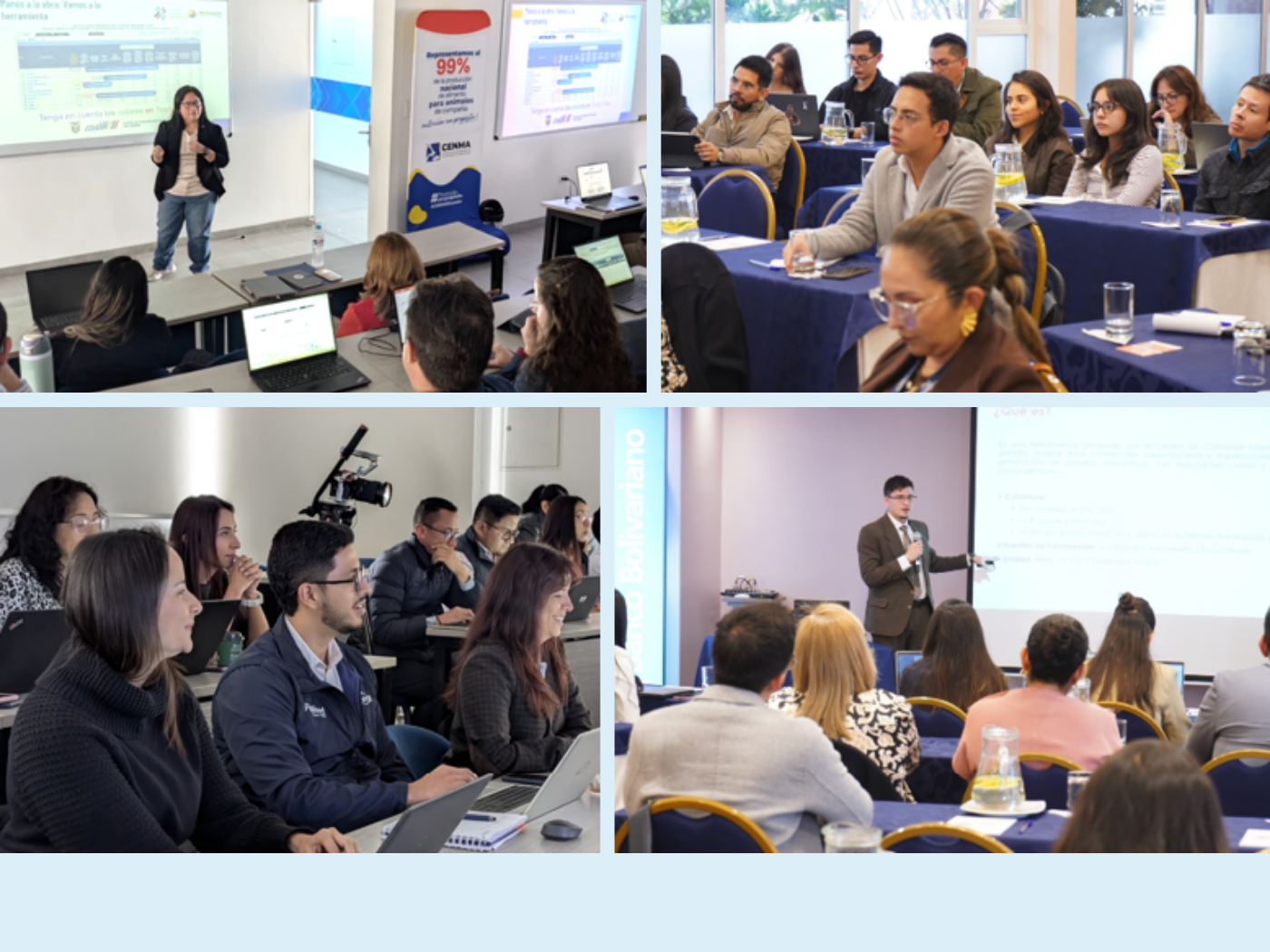
Recent months have seen strong engagement from ITC-certified trade intelligence trainers in Ecuador, with institutions actively delivering capacity-building activities to support active and prospective exporters. This first-ever network of certified trainers, established with the support of the NEXT Ecuador project in September 2025, is already yielding results. In Quito, ProEcuador and sector partners, organised a workshop on “Discovering strategic markets with Trade Map and Market Access Map,” focused on export opportunities in the pet food sector. Entrepreneurs gained practical skills to analyse markets, identify demand trends, and assess market-access conditions using ITC’s flagship Market Analysis Tools.
|
The Chamber of Commerce of Quito also delivered a “Trade Intelligence Workshop” with approximately 40 participants from the private sector, banking, academia, and business associations, strengthening their ability to apply ITC tools for informed export decision-making. Building on this momentum, the Ministry of Production, Foreign Trade, Investments and Fisheries is promoting a new training in April at the Technical University of Ambato, focused on identifying export opportunities and understanding tariffs. These initiatives reflect Ecuador’s growing dynamism in leveraging ITC tools, with institutional collaboration translating into stronger capabilities for exporters. |
SME Trade Academy – E-learning on Market Analysis Tools: quarterly highlights |
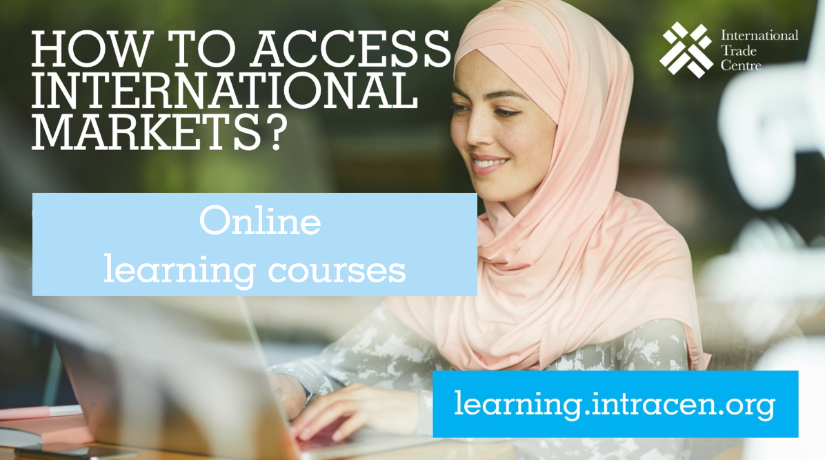
The latest quarter has been particularly active for e-learning on ITC’s Market Analysis Tools, with strong engagement from trade professionals worldwide. In the most recent editions of our flagship courses, participation remained high. The February session of “How to Access International Markets” brought together 307 participants (132 women), while “How to Analyse Trade Flows” gathered 212 participants (91 women). Both courses continue to play a key role in building practical skills for data-driven trade analysis. “How to Access International Markets” offers participants a structured introduction to market access conditions, as well as hands-on guidance on the use of Market Access Map (MacMap). The latest edition of “How to Analyse Trade Flows” marked a significant milestone: after many years of successful delivery and impact, this was the final edition of the course, as ITC prepares for the upcoming launch of the new Trade Map. This transition will be accompanied by a new generation of training resources aligned with enhanced functionalities and user experience. Looking ahead, the next edition of “How to Access International Markets” will begin on Monday, 25 May, and registrations are now open on the SME Trade Academy. |
| Subscribe to the 25 May training |
 |
DONORS Funders to the ITC Trade Map, Market Access Map, Export Potential Map and Trade Briefs: |
|
|
CONTACT |
|
|
© 2026 All Rights Reserved |
|